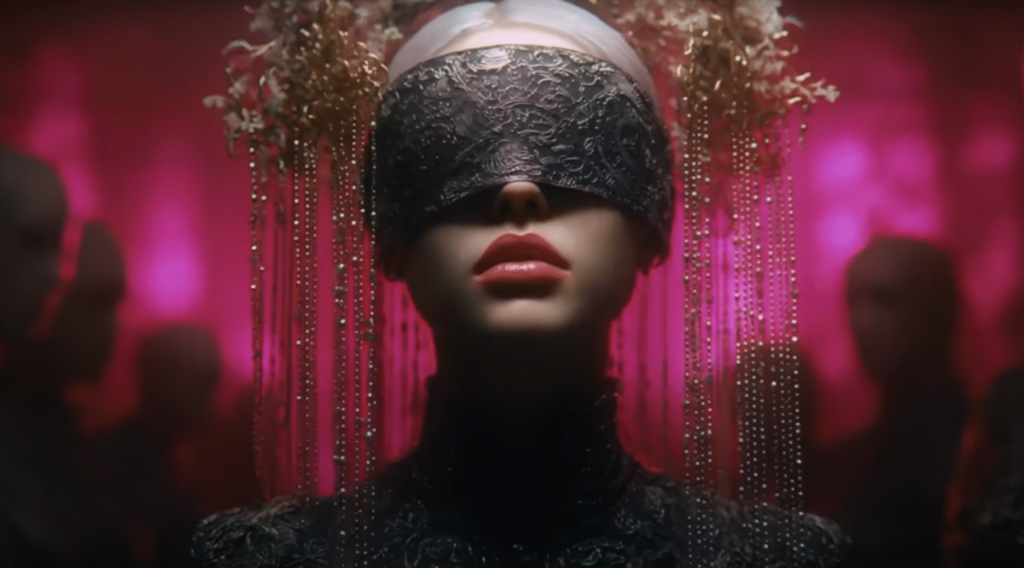
Did you see Timbaland’s new AI artist TaTa Taktumi? Or his plan to use AI to create new music with a vocal clone of The Notorious B.I.G.? Is this the future of the art form or just S-tier AI slop? Even if you think it’s slop, last time I checked slop still has some nutritional value.
So, how did we get to a world on the verge of AI music artists? It starts with a simple, but massive, problem.
Welcome to the Era of Ease
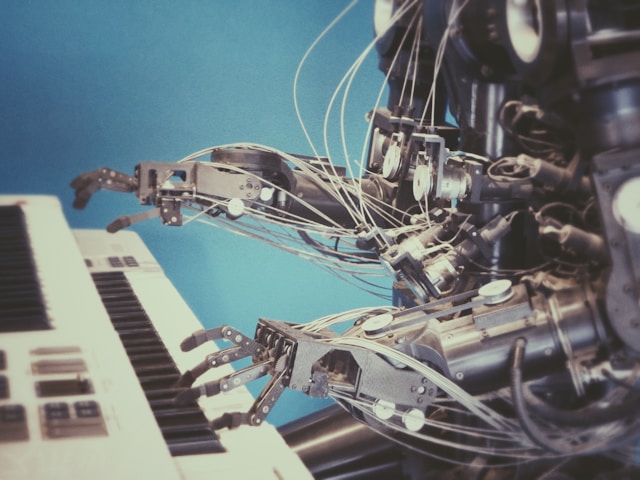
Low-effort, high-volume digital content created without any real artistic intent: a precursor to a possible AI slop epidemic. The French streaming platform Deezer sees more than 20,000 AI-generated tracks uploaded every day. Spotify has already had to delete over seventy-five million spam tracks to fight the flood.
Asked how this could be bad for listeners, AI had this to say:
When algorithms push this content, listeners experience “algorithmic fatigue”—a weariness from sterile, predictable playlists that lack a human touch. They lose the magic of discovery in an echo chamber of soulless content. It forces them to ask a new, more basic question when they hear a song: not “Is this good?” but “Is this even real?”
The Counter-Movement: Flaws Are Superpower
The more AI churns out “perfect” music with flawless pitch and timing, the more we miss the opposite. An emerging “Authenticity Economy” is placing a new premium on the very things a machine can’t replicate: personality, imperfection, and lived experience.
When a fan showed Nick Cave a song ChatGPT wrote “in his style,” he blasted it as a soulless imitation. He said real songs come from suffering, and “data doesn’t suffer.” He’s right. This taps into a deep-seated psychological need. In the Japanese aesthetic of Wabi-Sabi, beauty is found in imperfection and transience. We connect with the crack in a singer’s voice or an awkward laugh between takes because those moments feel real and vulnerable. Those aren’t flaws to be polished away; they are the anchors that make art human.
This isn’t just a music trend. It’s the same force that drove the craft beer boom and the rise of handmade marketplaces like Etsy. People are tired of mass-produced, generic products. They want something with a story, something made by a person. In music, that means the human touch—with all its flaws—is becoming a prized commodity.
AI as a Co-Pilot, Not the Artist
This doesn’t mean artists have to reject technology entirely. The key is to use AI as a tool to empower your creativity, not a tool to replace it. It’s about finding the right balance where AI serves the artist, not the other way around.
Think of it this way: AI is great for the boring stuff. It can be a powerful assistant for the mechanical tasks that free you up to focus on what matters: the motivation, the emotional story, the human core of the song.
For example, you can use AI to:
- Generate drum loops to practice or brainstorm over.
- Isolate vocals or stems from a recording to create a remix.
- Transcribe a voice memo into lyrics.
- Suggest alternative chord progressions when you’re stuck.
- Inspire lyrics ideas or rhymes when facing writer’s block.
The ethical line is simple: augment your process, don’t replace your creativity. As soon as you ask an AI to generate the entire song for you, you’ve outsourced the soul of the work. The post-AI songwriter uses technology to enhance their humanity and channel their passion, not to fake it.
How Artists Are Winning with Authenticity
Smart artists are already leaning into this. They aren’t hiding their process; they’re marketing it. They understand that in a world of fakes, their humanity is their clearest competitive edge.
Case Study: Taylor Swift’s Voice Memos
After fans raised concerns about AI-generated promo art, Taylor Swift surprise-released a deluxe edition of her album featuring her original iPhone voice memos. These raw recordings—complete with false starts and off-key notes—were her proof of life. It was a direct way of saying, “No AI here, just me.” For an artist known for polished production, these personal demos became a powerful symbol of authenticity.
Case Study: Fred again..’s “Actual Life”
Producer Fred again.. built his entire Actual Life album series around snippets of his real world. He weaves in smartphone recordings, voice notes from friends, and ambient sounds from the places he’s been. This collage of unedited reality gives his electronic music a deeply human core. It’s a powerful reminder that the most compelling sounds often come from life itself, not from a prompt.
The Future is Human
In the near future, where a song comes from will matter as much as how it sounds. Organizations like the Human Artistry Campaign are already advocating for “100% human-made” certification, creating an “organic” label for music to signal authentic, AI-free work to the marketplace.
So, how can you put this into practice?
- Show your work. Share the raw voice memo, the crossed-out lyrics, the story behind the song. Revive the idea of “liner notes” for the digital age on your website or social media.
- Embrace your imperfections. That slightly off-key take or moment of background noise isn’t a mistake—it’s proof of life. It’s what separates you from the machine.
- Tell your story. In the Authenticity Economy, your personal narrative is your most valuable asset. Don’t just sell the song; sell the story of how you made it.
The rise of AI isn’t the end of the songwriter. It’s a challenge that is forcing us to remember what makes music matter in the first place.
Try Spit Notes to see how songwriting with the right AI tools increases creativity.